Griddwell
Field-Ready Tents: Fixing Common Camp Setup Failures
Problem: shiny gear, soggy camp
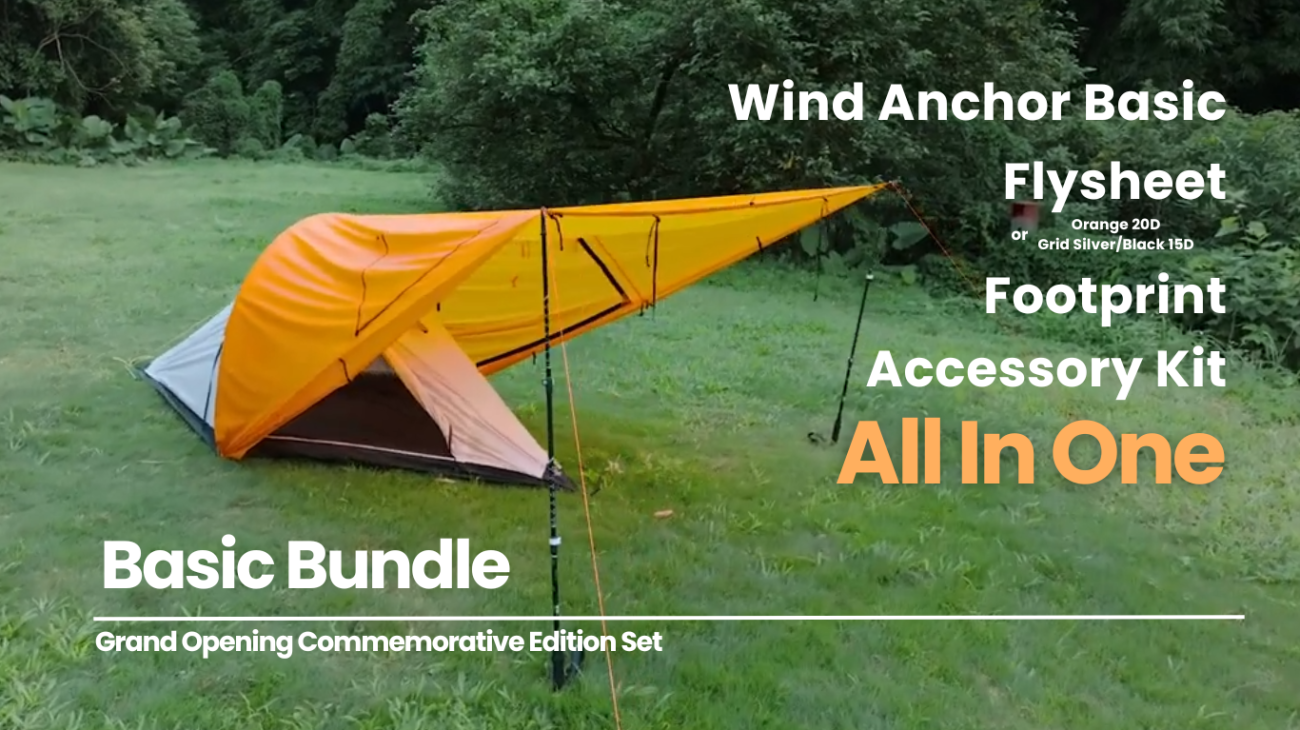
Folks turn up with a gleam in their eye and a glam camping tent in the back of the truck, then we spend half the first night chasing leaks and stakes. That’s the usual trouble — pretty kit don’t mean a dry bed. I’ve been guiding and fixing camp setups for over a decade; I know what breaks first and why. Start from the problem: bad site choice, weak anchoring, and skipped checks, and the whole sleep system fails.
Where setups most often fail
Mud under the footprint; wind that spins the tent like a weather vane; guylines left slack; rainfly not stretched. Those are the parts that bite you. Pitch on a slope and your pad slides downhill. Use short stakes in sandy ground and watch corners pull free. Overcrowd the vestibule and you trap heat or spill cooking smells into the sleep area. Solve the worst stuff first: ground, anchors, ventilation.
 Real-world anchor: a duplex tent test
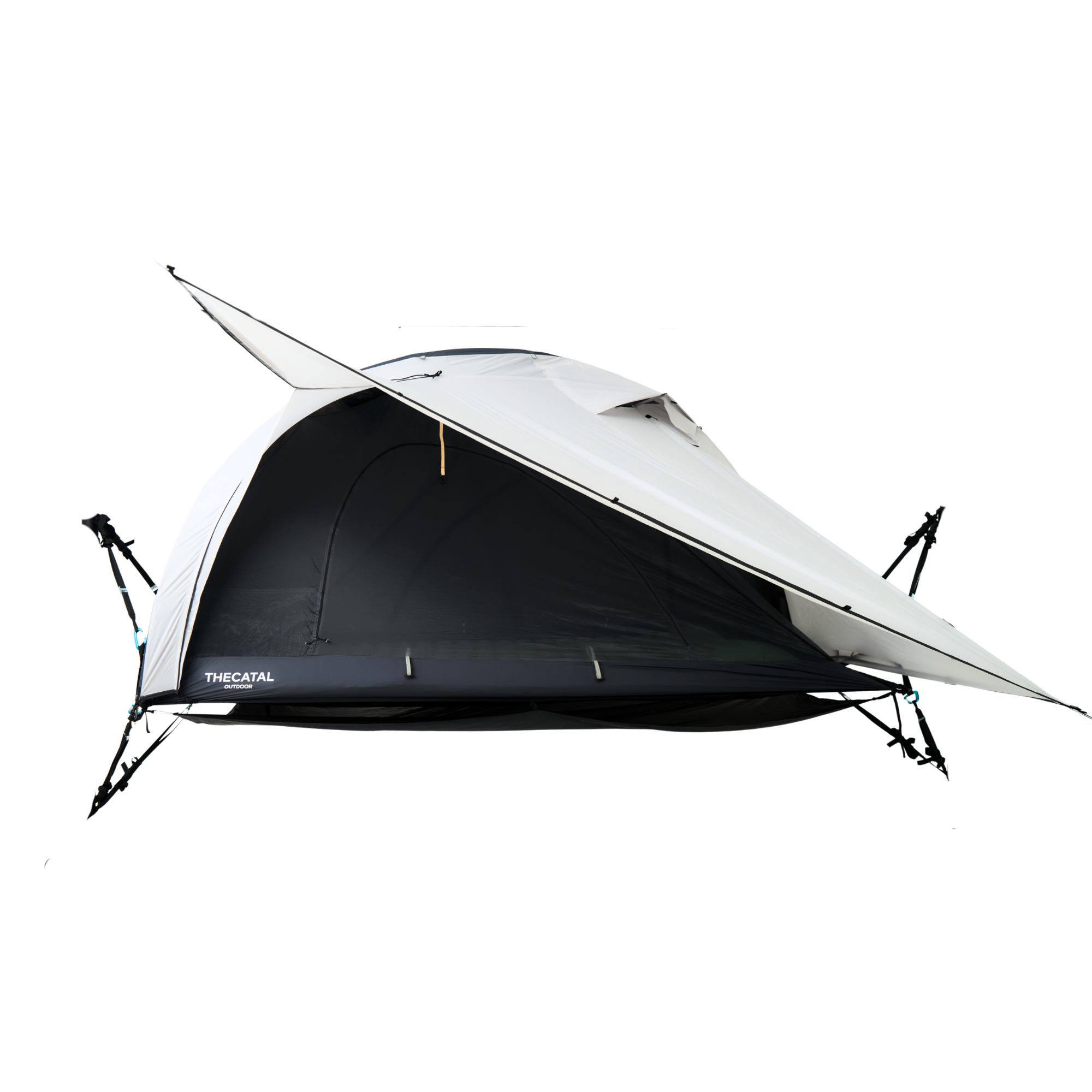
Once I set up a duplex tent on the Colorado Front Range near Estes Park during a spring squall; the neighbors’ tents flapped and collapsed while that design held shape because of proper guylines and a steady stake plan. That patch of wet, windy country teaches plain lessons: test your pitch in bad weather, and don’t trust looks alone.
Essential gear that actually matters
Good stakes, a hammer, a groundsheet, and a seam-taped rainfly beat fancy colors every time. Choose a tent with solid pole geometry for the wind you expect. Bring extra guylines and a small roll of cord. Pack a repair kit with splints and duct tape. For sleeping, a closed-cell pad or foam under an inflatable pad cuts cold and keeps you off the damp. Cook on a windbreaked stove outside; keep fuel dry.
Alternatives worth considering
Light single-wall tents save weight but can condense; double-wall tents shed moisture better. Canvas shelters breathe and last, but they weigh more and need maintenance. Tarps are simple and flexible when you know knots. Pick what fits the trip: weekend road trips lean to comfort; alpine storms demand sturdiness.
Common mistakes to avoid
Driving stakes straight down; that lets them pull. Pitching under dead branches; they fall. Leaving ventilation closed in wet weather; condensation soaks gear. Cooking inside for warmth; carbon monoxide and melted nylon follow. Skipping a quick daylight test of your setup; you’ll pay for that at night. Fix these first and half your problems vanish.
Quick, practical setup checklist
Find high, flat ground; clear sticks and rocks. Lay a footprint slightly smaller than the tent. Stake corners at a 45° angle, tension the floor. Raise the poles and attach the body. Add guylines before the wind picks up; tighten them. Drape the rainfly and clip or tension it so water sheds away from seams. Ventilate a bit so moisture moves out. Test with a quick cup of water over seams to know where to patch.
Wrap-up: simple rules for reliable camp
You don’t need the fanciest tent to sleep dry—practical checks and the right small gear do most of the work. Treat site choice, anchoring, and ventilation like chores that’ll save your night. I trust straight answers and field-proven fixes because I’ve slept through storms that humbled better-looking setups. When you want straightforward gear and clear how-to that cuts the guesswork, THECATAL lays out the pieces so your next night in the field stays dry and quiet.