Griddwell
Smart Garden Living: A Practical Guide to Home-Garden Integration for Real-World Home Improvement
A practical guide weaving home improvement with gardening and interior decor for functional, beautiful outdoor spaces.
Designing a Cohesive Outdoor-Indoor Space
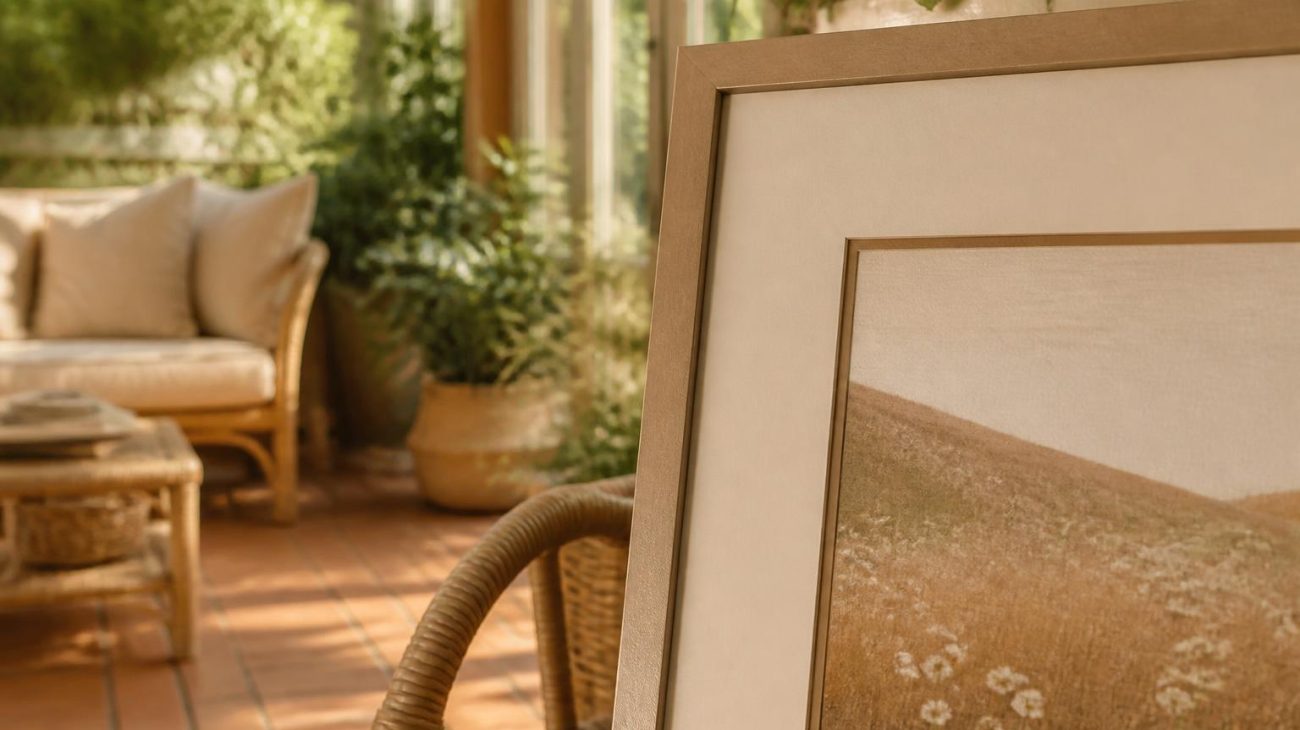
Creating a seamless transition between interior and exterior spaces starts with deliberate layout choices and materials that echo the home’s architectural language. Consider weather-resistant surfaces that mirror indoor flooring tones, and choose sturdy planters that complement furniture finishes. A well-considered plan reduces clutter and increases usable space for growing herbs or ornamental plants, while inviting foot traffic through logical sightlines that connect kitchen windows to the garden. For hands-on growers, integrating a bed near an exterior door shortens trips to harvest and keeps the interior cleaner during gardening tasks, reinforcing practical home improvement in daily life. For a deeper look, see precision agriculture systems.
In practice, map zones for cooking herbs, edible greens, and seasonal color, then align these zones with storage and work surfaces in the kitchen and utility rooms. Install a compact potting bench or a rolling cart to streamline tasks, and select tools with ergonomic grips to minimize strain. When you approach gardening as part of interior life, you begin to choreograph decor elements—accent cushions, woven baskets, and outdoor lighting—that elevate the space without compromising function, reflecting a thoughtful home improvement mindset.
Smart Tools for a Low-Manual, High-Reward Garden
Modern gardens benefit from automation that saves time while ensuring consistent care. Start with soil moisture sensors and a smart sprinkler controller that adjusts watering based on weather forecasts and soil type. This approach reduces water waste, supports plant health, and frees you to focus on other home improvement tasks. Pair sensors with data dashboards that simplify maintenance, so you can quickly assess plant needs without constant monitoring or guesswork, letting you enjoy the garden as a low-effort, high-reward feature in your decor strategy.
Incorporate season-extending solutions like cloches or row covers for delicate crops, and use vertical growing systems to maximize space in small yards or balconies. Choose compact, energy-efficient LED grow lights for indoor gardening corners, ensuring year-round productivity without consuming excessive electricity. By treating your tools and devices as a coherent system, you create a sustainable routine that blends gardening with interior rhythms and decor updates over time.
Soil, Compost, and Micro-Systems for Rich Growth
Healthy soil begins with a layered approach: a foundational compost system, regular soil amendments, and crop-specific nutrient planning. Start by layering compost bins in a shaded corner of the yard, then rotate greens with root crops to maintain soil structure. Regularly test soil pH and adjust with lime or sulfur to optimize nutrient availability for tomatoes, lettuce, and herbs. This practical soil stewardship lays the groundwork for resilient plants that require fewer interventions, aligning gardening practice with a disciplined home improvement ethos.
Build a simple yet productive composting routine that recycles kitchen scraps into nutrient-rich soil amendments. A basic aerated bin reduces odors and speeds decomposition, while shredded leaves boost carbon content. Pair these routines with mulch to retain moisture and suppress weeds, and you’ll see a healthier plant palette with less maintenance. When soil health improves, your entire garden becomes a more reliable feature in the home interior’s visual narrative and decor balance.
Waterwise Practices for Beautiful, Efficient Gardens
Water management is a core aspect of both gardening and home improvement, especially in climates with dry seasons. Use rain barrels to capture runoff from gutters and feed drip irrigation lines that deliver moisture directly to root zones. A well-designed irrigation plan minimizes waste, reduces maintenance, and keeps plants green through heat waves. Integrate a simple rain sensor to prevent overwatering on rainy days, and schedule watering during early morning hours for maximum efficiency and plant health.
Layer mulch around perennials to preserve soil moisture and regulate temperature, then select drought-tolerant species for beds near the house where conditions can be harsher. Implement vertical trellises or espaliered fruit trees to maximize sun exposure on walls without crowding windows. Waterwise practices dovetail with interior living by preserving the garden’s vitality as a decorative backdrop that complements furniture and textiles throughout the home.
Seasonal Planting Plans That Support Decor and Mood
Develop a planting calendar that aligns with seasonal decor themes, ensuring color and texture transitions mirror interior changes in cushions, rugs, and artwork. Start with cool-season crops in spring and autumnal hues in fall, then rotate to bright summer blooms to energize patios and entranceways. By forecasting color palettes across both garden beds and living spaces, you create a cohesive atmosphere that strengthens the sense of home improvement through consistent styling and plant choices.
In practice, plant varieties that provide multi-season interest, such as evergreens for structure, flowering perennials for color, and herbs for scent, to keep the garden lively across seasons. Use decorative containers to echo interior accents—glossy ceramic pots near a glass door or rustic madera planters by a shaded seating area. This strategy keeps the exterior looking intentional year-round, supporting decor-driven moods from entry to backyard and making the garden feel like an extension of the interior world.
Integrated Lighting and Texture for Evening Enjoyment
Outdoor lighting should extend the usable hours of the garden while highlighting focal plants and architectural features. Layer light sources with path lights, wall sconces, and uplights to create depth and reduce tripping hazards after dusk. Choose warm-white LEDs and smart controls that adjust intensity with sunset times, which preserves energy and sets a welcoming mood that enhances decor during evening gatherings. Thoughtful lighting elevates the garden as a living space rather than a separate, merely practical area.
Texture matters as much as light: combine smooth planters, rough brick, and soft textiles to create a tactile, inviting environment. Add a weatherproof rug under a seating area and introduce cushions with sun-resistant fabrics to soften the seating, enabling comfortable lounging after dinner. When executed with care, lighting and texture work together to make the garden a natural extension of interior design, reinforcing the home improvement narrative across rooms and outdoor rooms alike.
Optional Texture-Boosting Element
- Small water feature or fountain to introduce sound and movement
- Chevron or herringbone pavers for visual interest
- Herb spirals or raised beds to elevate grow zones
Maintaining Motivation: A Simple Routine for Consistency
Consistency is the backbone of any successful home-garden project. Establish a monthly rhythm that includes a quick soil check, irrigation system inspection, pruning a few shrubs, and a seasonal planter refresh. A steady cadence helps you notice early signs of stress or disease, enabling timely intervention without feeling overwhelmed. Documenting your routine in a notebook or app supports accountability and reinforces the habit of mindful home improvement in garden care.
Invite family members to participate in rotating duties like leaf-blowing, compost turning, or seed-starting sessions, so maintenance becomes shared responsibility and a social activity. Create a simple color-coded schedule to keep tasks visible, ensuring everyone knows when to water, weed, or prune. With a reliable routine, the garden remains vibrant and coherent with interior design, making every weekend project feel purposeful rather than burdensome, and turning gardening into a valued family habit.