Griddwell
The Shift Towards Frequency Regulation Battery Storage in Power Systems
Understanding the Need for Frequency Regulation
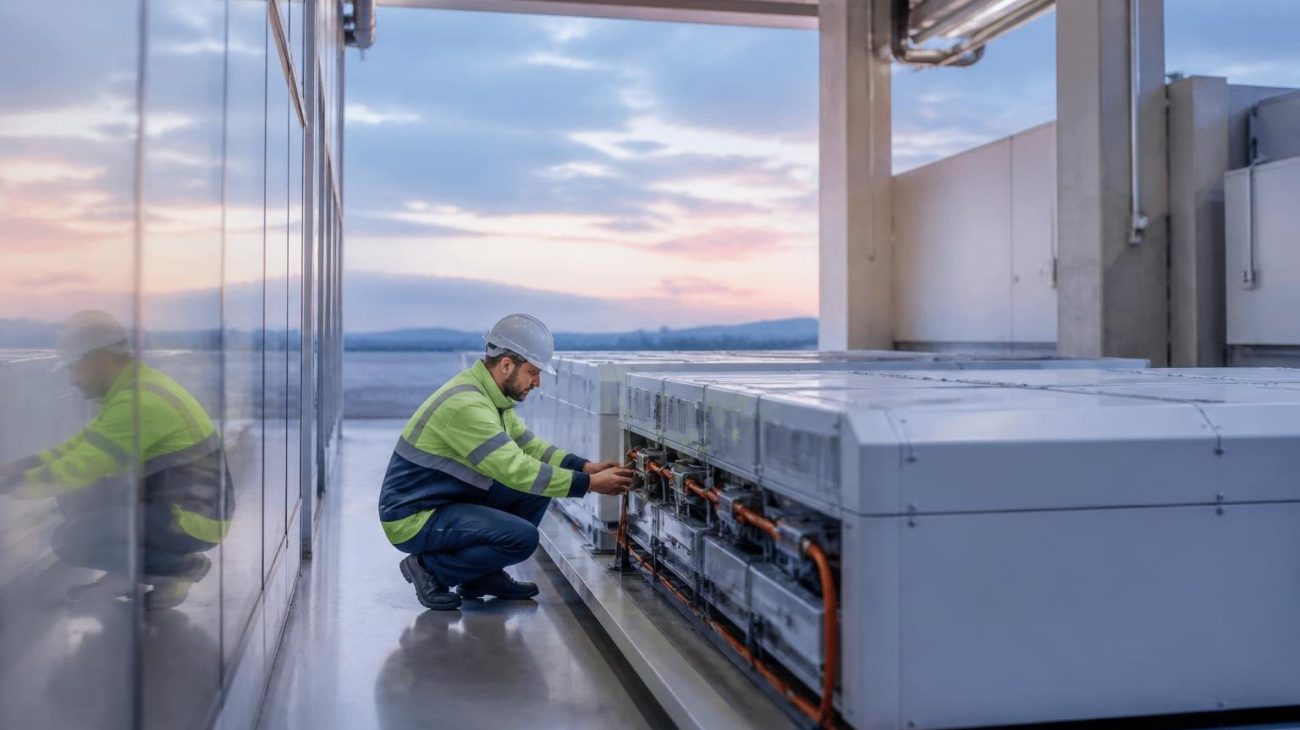
Picture this: a bustling urban area in Nairobi experiences a sudden electricity outage—businesses cease operations, and consumers face an abrupt loss of convenience. According to studies, the demand for electricity can fluctuate dramatically, leading to instability in our power grids. Frequency regulation in power systems becomes vital to maintain balance and prevent such disruptions. One of the most promising solutions lies in frequency regulation battery storage—a game-changer that ensures that grid frequency remains stable despite varying energy demand.
Challenges of Traditional Solutions
Traditional frequency regulation methods, such as fossil fuel generators, often fall short. Not only are they costly, but they also contribute significantly to carbon emissions—something we cannot afford to ignore, especially in the context of Kenya's commitment to sustainability. The need for an alternative solution is pressing; I still recall meeting with various stakeholders last year, where the overwhelming consensus was that renewable resources need a robust counterpart to ensure reliability and efficiency.
Can Battery Storage Really Solve Our Problems?
The answer is a resounding yes. The integration of battery energy storage systems can smooth out energy supply fluctuations, effectively providing grid operators with a reliable buffer. By harnessing advancements in technology, utilities can deploy solutions that cater not just to immediate needs but future demands as well. However, are we fully leveraging the capabilities of frequency regulation battery storage? That’s the question we need to examine more closely.
Looking Ahead: The Future of Energy Storage
As we look to the future, it's clear that the energy landscape is shifting. I believe that the transition towards energy solutions like battery storage is not only achievable but essential. By 2030, we expect a significant increase in the adoption of battery technologies in Kenya. The time to act is now, as innovations in battery chemistry and grid integration technology pave the way for more efficient energy systems. Sadly, some utility companies are still slow to adapt, but trust me, those that embrace these changes are positioning themselves for success.
What’s Next for Frequency Regulation?
With the integration of frequency regulation battery storage, we can enhance grid reliability while reducing carbon footprints. Key players in the industry must evaluate actionable metrics, such as response time, efficiency, and cost-effectiveness, to make informed decisions. The implications for utilities, industries, and consumers are profound; we can reshape how we think about energy consumption. I’m excited to see how these advancements will redefine our relationship with power supply.
Concluding Insights
In summary, harnessing frequency regulation battery storage represents a pivotal shift for our power systems. I’ve observed firsthand how embracing such technologies leads to measurable improvements, from reduced costs to enhanced reliability. As we move forward, industries ought to prioritize sustainability alongside reliability. Ultimately, energy transition doesn't just mean more volts in our sockets; it represents a collective leap towards a cleaner, more resilient future. With firms like HyperStrong at the forefront of innovation, the path ahead is promising.