Griddwell
Practical Skills for Safer Workshop Air: A User-Focused Guide to Laser Cutter Fume Extraction
Introduction — a quick scene, some numbers, and a question
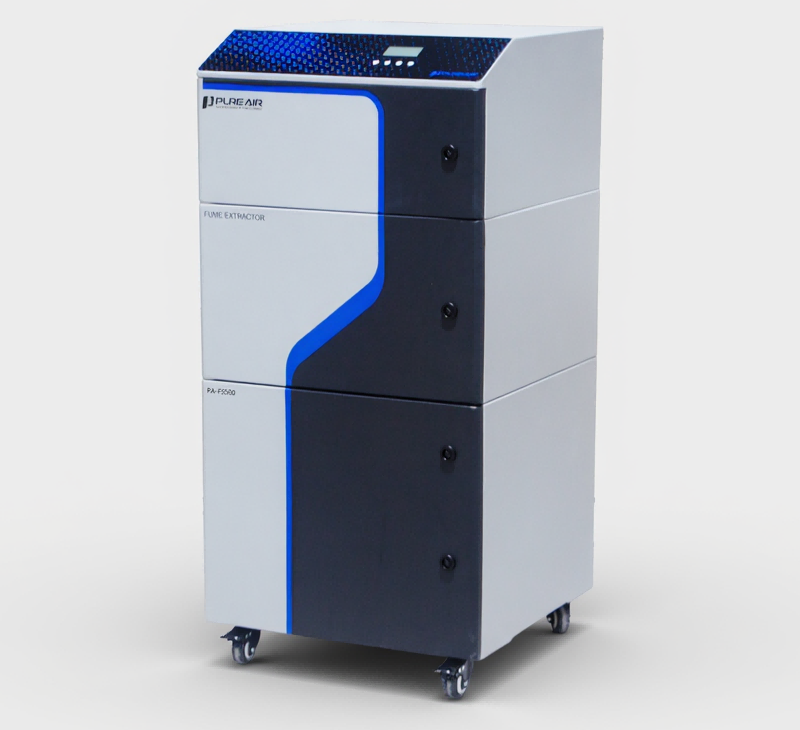
I once watched a hobbyist clear out a tiny prototyping studio after a whole day of cutting acrylic — the air smelled sharp and the windows fogged. In that room a small laser cutter fume extractor had been running, but the operator still complained of headaches and throat irritation. Recent tests show that poorly filtered laser cutting fumes can contain ultrafine particles and volatile organic compounds (VOCs) at concentrations 5–10 times higher than normal indoor air in some setups. So, how do we actually protect people without turning the workspace into a noisy, overbuilt machine room? (I’ve thought about this a lot — and so have many makers.)
When I talk about solutions, I mean practical fixes: capture at source, good filtration, and clear airflow paths. A solid laser cutter fume extractor removes smoke and particulates, but real life throws curveballs — layered materials, different beam powers, and varied exhaust routes. I’ll walk you through what I’ve learned on the bench and in small shops, and show where common fixes help — and where they fall short. Let’s dig into what’s really going on and move toward smarter choices.
Why many traditional systems fail: deeper flaws in dust control
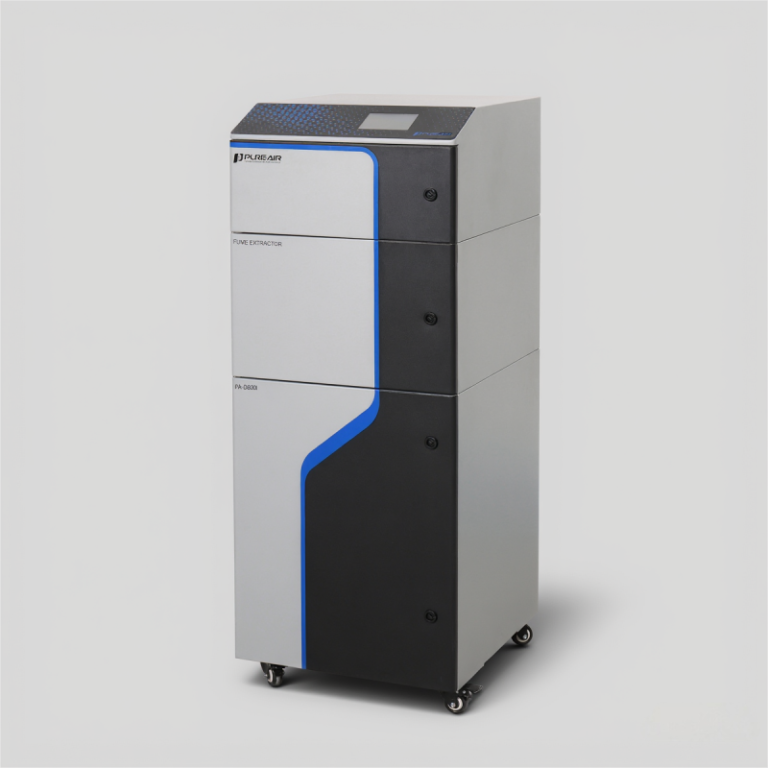
dust collector for laser cutting machine is the term you’ll see in spec sheets, but the product name alone hides real design gaps. I’ve seen units with decent suction but poor filtration media — they pull fumes away, yes, but then recirculate finer particles or leave VOCs untreated. Look, it’s simpler than you think: capture without proper fume filtration is just displacement, not removal. In my view, that’s where most systems lose their value. The engineering terms matter here — static pressure, filtration efficiency, airflow rate — because a fan with no real HEPA filter or activated carbon stage is only moving the problem around.
 So what specifically breaks?
First, many setups under-spec the fan and ignore static pressure losses from ducting. That leads to low capture velocity at the laser head. Second, filters are often undersized or the wrong type; a particle-focused filter won’t trap VOCs, and carbon-only systems won’t stop ultrafine dust. Third, installers neglect maintenance access, so clogged pre-filters get ignored and performance drops over months. Add edge cases — like cutting coated metals or composite laminates — and you have chemistry that standard filters aren’t built for. I’ve replaced more than a few clogged cartridges — and I speak from experience — and each time the fix was more than swapping parts; it was reconsidering the whole fume path.
New principles for cleaner workspaces and smarter extractors
Looking forward, I favor a layered approach that pairs capture design with filtration science and simple control logic. Modern designs combine a capture hood tailored to the laser head, a multi-stage filter pack (pre-filter, HEPA, activated carbon), and sensible controls that let you match airflow to cut type. That lets the system adapt: low flow for delicate engravings, higher capture for dense cutting. Also, small on-device sensors and local processing (yes — think edge computing nodes) can flag when a filter is saturated or when VOC spikes happen. That saves money and keeps air cleaner — and it’s not science fiction; it’s practical engineering.
Case in point: swapping out a crude exhaust vent with a targeted capture hood and adding a two-stage filter cut particle counts dramatically in one shop I worked with. The team reported fewer headaches and clearer visibility around the beam. — funny how that works, right? For manufacturers, integrating power converters and variable-speed fans helps manage noise and energy use while keeping capture velocity where it matters. And of course, a good dust collector for laser cutting machine should balance filtration efficiency with serviceability so people actually keep it tuned.
What to check next
To wrap up, here are three practical metrics I use when advising shops: 1) Capture Velocity at the Source — measure or verify recommended inches per second near the nozzle; 2) Filter Stages and Composition — ensure you have particulate (HEPA) and adsorbent (activated carbon or specialized media) stages for VOCs; 3) Real-World Maintenance Access — can a technician swap pre-filters and inspect the HEPA without a day of disassembly? These metrics tell you more than a glossy brochure ever will.
I’ve worked with small makers and production teams, and the patterns repeat: good design, sensible controls, and straightforward maintenance beat one-size-fits-all hype every time. If you want a reliable partner in this space, check solutions from PURE-AIR — they build systems that match these principles, and I’ve seen the outcomes first-hand. In short: aim for capture, then filtration, then upkeep — and the air (and your team) will thank you.