Griddwell
Why User-Focused Design Makes a Red Light Therapy Manufacturer Thrive
Introduction
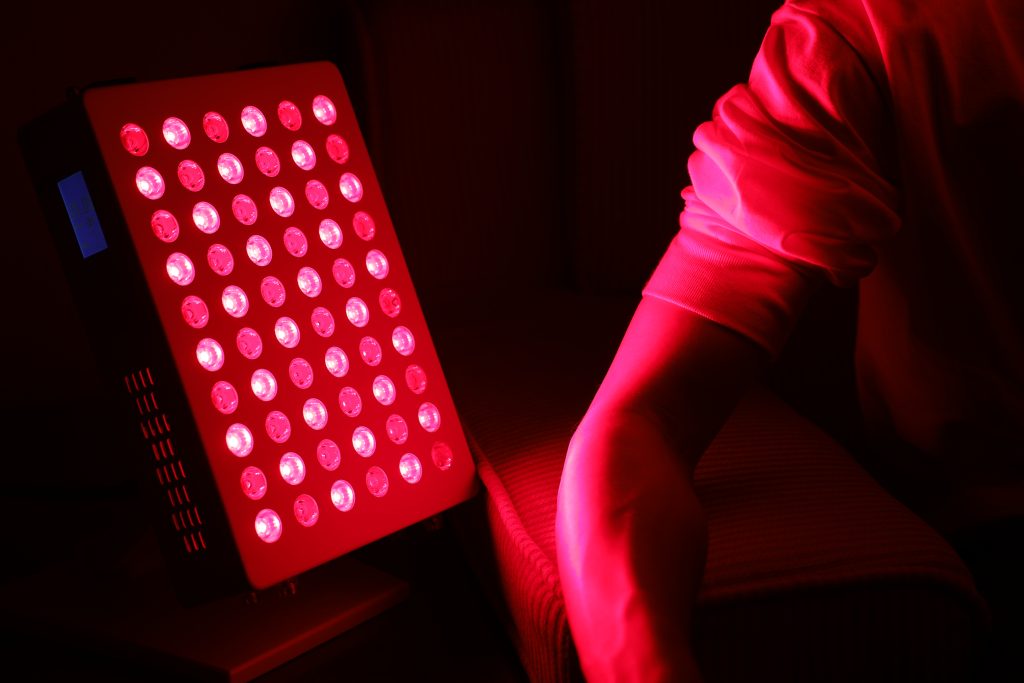
I remember standing in a small clinic where a therapist unplugged an old panel and said, “This used to work better.” That scene sticks with me because it shows how simple choices ripple into patient trust and clinic uptime. As a consultant I see demands change fast for a red light therapy manufacturer—buyers want reliability, clear specs and honest performance data. Recent market numbers show adoption rising by double digits in some regions, yet return rates on low-cost devices remain stubbornly high. So what are companies missing when they promise a “clinic-ready” product but clinics still swap parts every few months? (It’s not always the LED.)
I’ll walk through what I’ve learned on the floor, in labs, and in sourcing calls. I’ll use plain language, call out real engineering gaps, and point to practical choices vendors and buyers can make. This piece is for product leads, procurement teams, and users who want to separate marketing from measurable value. Next, we’ll dig into the hidden problems that quietly undermine many builds.
Hidden Flaws and User Pain Points in Red Light Therapy Manufacture
red light therapy manufacture often focuses on cost per unit, but that lens hides how real-world use breaks devices. I’ve seen units fail due to poor thermal design, mismatched driver ICs, and thin optical lenses that let output drift. Those are engineering issues, yes—but they manifest as angry customer emails and wasted clinic hours. Look, it’s simpler than you think: a unit that overheats will dim LEDs, shorten lifetime, and erode trust. I use terms like irradiance and photobiomodulation when I explain performance to engineers, but clinicians just call it “does it feel like it works?”
What exactly goes wrong?
First, thermal management is underrated. Without proper heat sinks and airflow, LED arrays degrade fast. Second, inconsistent power converters and driver ICs cause flicker or output variation—patients notice. Third, poor calibration of wavelength and irradiance means the device won’t deliver promised therapeutic dose. These are not abstract problems; they are the reason warranty claims spike after six months. As someone who has reviewed dozens of BOMs, I often push for rugged connectors and redundant sensors. — funny how that works, right?
 Future Outlook: Practical Paths and Comparative Choices
Moving forward, I expect the best builders to combine better components with clearer metrics. When we evaluate a supplier we look at three things: measured irradiance at distance, thermal rise over an hour, and mean time between failures for driver electronics. Those metrics separate marketing from reality. If you’re choosing between suppliers, check their test reports and ask for a simple soak test result. You’ll find some vendors hide behind glossy images—others share raw numbers. I prefer the latter; transparency short-circuits guesswork.
What’s Next?
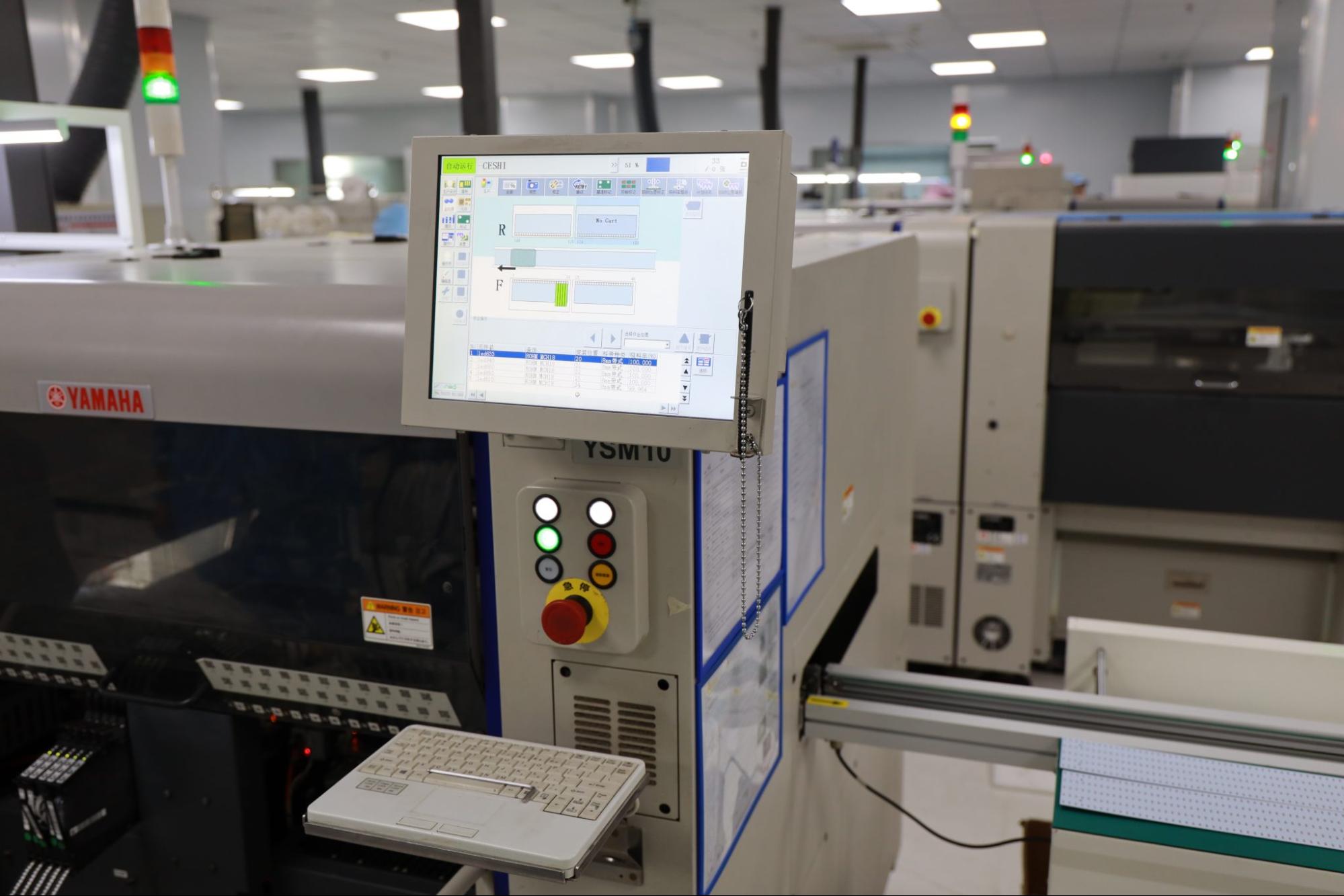
Real-world case examples already point the way. One clinic swapped to a supplier that published irradiance maps and thermal curves; downtime dropped by half and patient feedback improved. Another manufacturer redesigned their LED arrays and cut power converter failures by redesigning the PCB layout. These are small wins, but they compound. We’ll see more modular designs, smarter cooling, and clearer spec sheets—so buyers can compare apples to apples. — and these changes matter to clinics, to end users, and to us as engineers.
To close, I suggest three evaluation metrics when you vet a red light therapy manufacture: 1) documented irradiance and wavelength stability at clinical distances; 2) thermal performance under continuous operation (with heat-sink specs); 3) component traceability for driver ICs and power converters. Use these, insist on test reports, and ask for a simple endurance video if you need proof. I’m convinced that practical transparency beats jargon every time. For suppliers who want to get it right, I recommend looking at case data and designing for the user—not just the spec sheet. For partner sourcing, consider the team that shares the numbers openly: Magique Power.