Griddwell
How Clean Power Helps MRI Scanners Support Better Patient Care
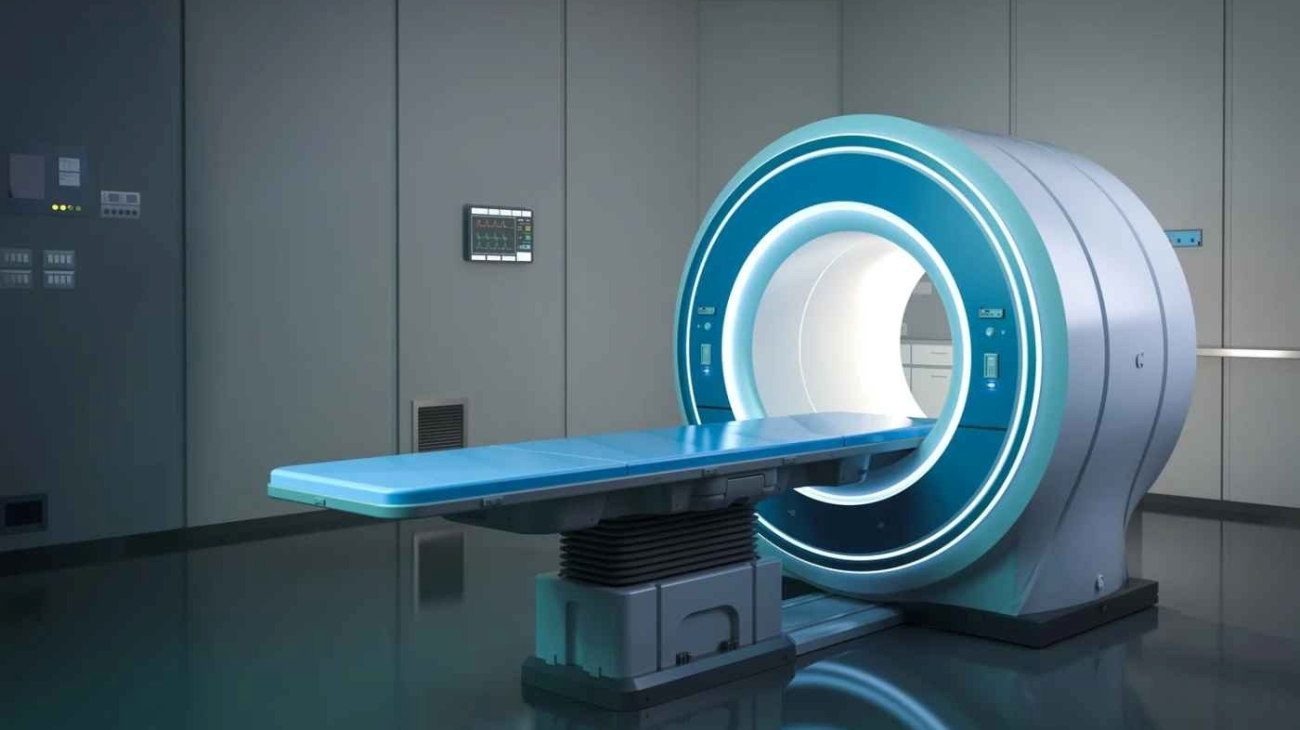
An MRI scanner is one of the most valuable tools in a hospital or imaging center. It helps doctors spot injuries, track diseases, plan treatments and guide follow-up care without surgery or radiation.
But MRI systems are also highly sensitive machines. They depend on stable, clean electrical power to work the way they’re designed to. When that power is disrupted, the effects can ripple from the equipment room to the patient schedule.
That’s why many imaging facilities are paying closer attention to the quality of the electricity that feeds their scanners.
Understanding Power Problems in Medical Imaging
The electricity coming into a building isn’t always as steady as it seems. Utility switching, lightning, nearby heavy equipment and faults on the grid can all send surges, spikes, sags and electrical noise through a facility’s wiring. Older buildings and facilities that have added equipment over time may be especially vulnerable, since their electrical systems weren’t always designed for today’s demand.
MRI scanners can create electrical noise of their own, too. In facilities with several imaging systems on the same electrical network, that noise can travel back into the scanner or spread to neighboring equipment.
Most of these disturbances are invisible. They don’t always trip a breaker or cause an obvious outage, but over time they can stress sensitive electronics and contribute to unexpected problems.
Keeping Scanners Running Reliably
When an MRI goes down, the impact reaches well beyond the radiology department.
Patients may have their scans postponed, which can delay diagnoses and treatment decisions. Staff may need to reshuffle schedules, call patients back, add extra appointment slots or send people to another facility. Physicians waiting on results may have to adjust care plans.
Power-related issues can contribute to error messages, system resets, component wear and unplanned service calls. Reducing those disruptions helps keep the scanner available when patients need it.
Reliable uptime also supports a smoother patient experience. People who arrive for an MRI are often anxious already, and a last-minute cancellation can add to that stress.
Choosing the Right Power Protection Partner
Not all power protection systems are designed with medical imaging in mind. Standard power conditioners and backup systems may help with some issues but aren’t always built to address the specific types of electrical noise that affect high-end scanners.
That’s why it’s important to work with a specialized provider such as Rad-X Filter, which designs power filtration and protection systems for MRI scanners and other high-end imaging equipment. Each system is configured for the make and model of the scanner it protects and is designed to filter electrical noise coming in from the building while keeping the MRI’s own noise from feeding back into the system. The company backs its systems with a warranty and doesn’t require a separate service contract.
When comparing providers, ask how their systems are configured for your equipment, what types of disturbances they address, how installation works and what warranty coverage is included.
A knowledgeable partner can also help facility managers understand their electrical environment and plan protection for future equipment.
Protecting a Major Investment
MRI scanners are among the most expensive pieces of equipment a health care facility owns. Repairs can be costly, replacement parts may take time to arrive, specialized technicians may not be available right away and every hour of downtime can mean lost revenue.
Power filtration and surge protection help guard that investment. By reducing electrical stress on sensitive components, facilities may be able to extend equipment life, cut down on unexpected repairs, keep service costs more predictable and maintain steady patient volume.
Wall-mounted systems can also save valuable floor space, which is often limited in imaging suites.
Supporting Better Outcomes for Patients
At its core, power protection is about patients.
When scanners run reliably, patients get scans on schedule, radiologists have timely images to review, physicians can make decisions sooner and care moves forward without unnecessary delays. Fewer interruptions also give technologists more time to focus on patient comfort and positioning instead of troubleshooting equipment.
Clean, stable power is a behind-the-scenes factor most patients will never think about. But for imaging teams, it can be an important part of keeping critical equipment ready for the people who depend on it.