Griddwell
Achieving Accurate Bores and Clean Finishes With Precision Boring Heads
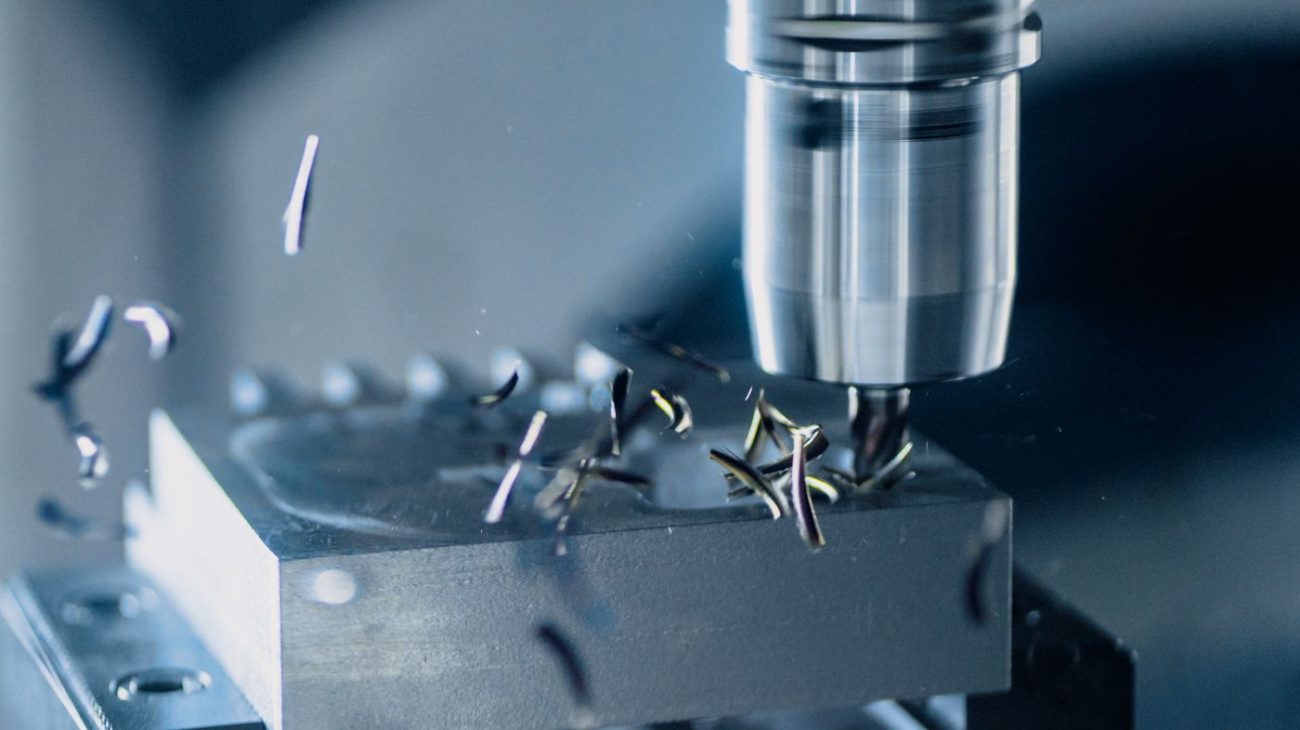
Boring is often the last operation on a critical hole. It sets the final diameter, roundness, position and surface finish of a bore that may hold a bearing, a bushing, a shaft or a dowel. When that cut goes wrong, the time already spent on the part can be wasted.
Precision boring heads give machinists more control over that final step. Good tooling makes it easier to reach size, hold tight tolerances, protect surface finish and cut down on test cuts.
Understanding How Boring Heads Work
A boring head holds a single-point cutting tool offset from the spindle centerline. As the spindle turns, the insert sweeps a circle, and the radius of that circle sets the bore diameter.
Moving the tool outward from center enlarges the bore. On most heads, a graduated dial controls the slide, and a locking mechanism holds it in place once it’s set.
Boring heads come in several styles. Fine boring heads handle finishing cuts on smaller bores. Modular systems let shops build tool assemblies from interchangeable bodies, extensions, reducers and adapters. Facing heads add a feed motion so the tool can move radially during the cut, which allows facing, grooving, chamfering and contouring.
NC and U-axis heads go a step further. Their radial slide can be controlled from the machine, so the tool position changes as part of the program.
Making Fine Adjustments Without Tool Swaps
Reaching final size often takes more than a single cut. A machinist roughs the bore, takes a semifinish pass, measures and then dials in the remaining stock. Each time the tool comes out of the spindle to switch cutters, there’s a chance to lose position or add setup time.
A quality boring head reduces that back and forth. Fine radial adjustment lets the operator move the insert in very small increments without removing the tool. The cutter stays in the spindle and the reference stays intact, so the next cut can happen right away.
Automatic facing heads and NC-controlled heads take this further. Some can adjust radially during the cycle, so a single tool can rough, finish, face and chamfer a feature. On machining centers, that can free up magazine pockets and shorten cycle times.
Repeatability matters as much as resolution. A dial that reads in fine increments is only useful if the slide moves the exact amount shown and locks without shifting. Backlash or a worn gib can throw off the cut even when the setting looks correct.
This is where the source of the tooling makes a difference. Working with a trusted company like Koma Precision gives shops access to boring and facing heads built for both manual and NC machines, along with application engineering support. A supplier that understands the machine, the material, the part and the production volume can help a shop choose a setup that holds size from part to part.
Controlling Vibration and Deflection
Boring bars are often long and slender, which makes them prone to chatter. Vibration leaves marks on the bore wall, hurts surface finish, shortens insert life and can push the bore out of round.
Deflection is a related problem. Cutting forces push the tool away from the work, and the bore ends up undersized or tapered. In deep bores, the effect grows as the tool reaches farther from the spindle.
Rigid boring systems help limit both issues. A stiff connection between the spindle, holder, head and bar reduces the flex that lets the tool drift. Heavier bodies, short overhangs, secure clamping and well-supported slides all add stability.
Better rigidity also improves concentricity. When the tool runs true and holds its position, the bore stays centered on its axis and keeps a consistent diameter from top to bottom.
Shops can help the tooling do its job, too. Using the shortest practical bar, choosing the right insert geometry, adjusting speeds and feeds and checking holder condition all make a difference. Good coolant delivery also matters, especially in deep blind holes where chips can pack up.
Reducing Scrap and Rework
A scrapped part costs more than the material. It also wastes machine time, labor, tooling and the schedule slot that part was supposed to fill.
That cost climbs quickly with expensive materials. Aerospace alloys, stainless steel, large castings and complex forgings often carry significant machining hours before the final bore. Losing a part at that stage hurts, and the material cost alone can be steep.
Rework creates its own problems. An oversized bore may need a sleeve or a repair procedure, and a poor finish may need another pass that risks taking the bore out of tolerance. Both add time and extra inspection steps.
Good tooling won’t solve every problem on the shop floor. It can, however, reduce the trial and error that leads to bad parts and make results more predictable from shift to shift. It may also take some of the stress out of running new setups for operators.
Over time, steadier results can help a shop quote with more confidence and keep production on track. Consistent bores can also make final inspection quicker and simpler. Choosing reliable boring heads is a practical step toward that goal.